Micromobility: Small Vehicles, Big Impact
Micromobility solutions like electric scooters, bikes, and e-bikes are transforming short-distance travel in cities. They reduce traffic congestion, cut emissions, and make it easier for people to navigate dense urban areas. Many cities are integrating micromobility into public transit networks, creating seamless first- and last-mile solutions that complement buses, trains, and metros.
Smart Public Transportation
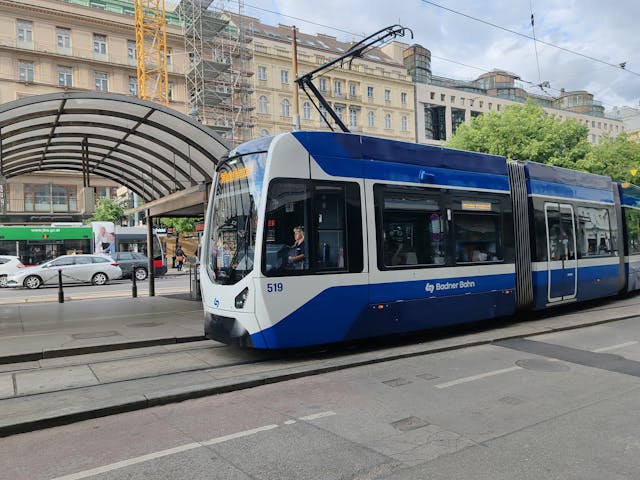
Public transportation is becoming smarter with real-time tracking, dynamic routing, and contactless payment systems. Apps now provide users with live updates on arrival times, seat availability, and optimal routes. These technologies improve efficiency, reduce wait times, and make public transit a more attractive option, helping to decrease reliance on private vehicles
Real-Time Data for Personalized Care
Wearables generate large amounts of health data, enabling personalized healthcare. Algorithms analyze patterns over time, providing actionable insights such as:
- Early warnings for irregular heartbeats or sleep disorders
- Customized activity recommendations based on user health metrics
- Medication reminders tailored to daily routines
By integrating data with telemedicine platforms, users can share information with doctors remotely, making healthcare more proactive and efficient.
Chronic Disease Management
Wearable tech is particularly impactful for managing chronic conditions. Continuous monitoring allows patients with diabetes, hypertension, or heart disease to track their health in real time, adjust treatments, and avoid hospitalizations. This not only improves quality of life but also reduces healthcare costs.
Data-Driven Urban Planning
Cities are leveraging data from sensors, GPS, and IoT devices to analyze traffic patterns and optimize infrastructure. Data-driven planning helps city authorities manage congestion, improve public transit routes, and design safer streets. This approach ensures that urban mobility innovations are guided by real-world usage and needs.
Challenges Ahead
While urban mobility innovations offer enormous benefits, they also present challenges:
- Infrastructure requirements: Cities need charging stations, dedicated lanes, and smart traffic systems.
- Regulatory hurdles: Safety, insurance, and liability for autonomous or micromobility vehicles must be addressed.
- Equity and accessibility: Ensuring all residents can benefit from new transportation options is essential.
Final Thoughts
Urban mobility is entering a transformative era. Micromobility, smart public transit, electric and autonomous vehicles, MaaS, and data-driven planning are reshaping how cities move. By combining technology with sustainability and accessibility, urban transportation is becoming more efficient, safer, and environmentally friendly. The cities of the future promise a mobility ecosystem that meets the needs of residents while reducing congestion and carbon footprints