The Rise of Drone Photography: New Perspectives from Above
Drone photography has revolutionized the way we capture the world. Once reserved for professional filmmakers and surveyors, drones are now accessible to hobbyists and enthusiasts, providing unique aerial perspectives that were previously impossible or prohibitively expensive. As technology advances, drone photography in 2025 is pushing creative and practical boundaries.
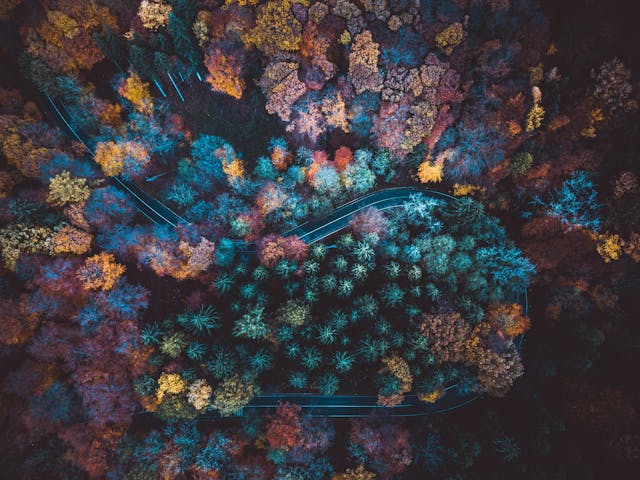
Expanding Creative Horizons
Drones allow photographers to explore angles and perspectives that traditional cameras cannot reach:
- Aerial landscapes: Capture sweeping views of mountains, forests, and cities from above.
- Dynamic shots: Smooth, cinematic movements are possible without cranes or helicopters.
- New storytelling opportunities: Drone footage adds context and scale, enhancing visual narratives for films, documentaries, and social media.
With lightweight drones and high-resolution cameras, even beginners can achieve professional-looking results.
Technological Advancements Driving Growth
Recent innovations are making drone photography more versatile and accessible:
- AI-assisted flight: Automatic tracking, obstacle avoidance, and scene recognition reduce the learning curve for beginners.
- High-resolution sensors: Drones now capture 8K video and ultra-detailed images, rivaling traditional cameras.
- Extended flight times: Longer battery life allows for more complex shots and reduced interruptions.
- Portable designs: Foldable and compact drones make aerial photography convenient for travel and spontaneous shoots.
These improvements empower photographers to push creative boundaries and experiment with new techniques.
Practical Applications Beyond Art
Drone photography is not just for aesthetic purposes — it’s transforming multiple industries:
- Real estate: Aerial shots showcase properties and surrounding areas more effectively.
- Agriculture: Drones monitor crops, assess soil health, and detect irrigation issues.
- Construction and surveying: Drones provide accurate site mapping and progress documentation.
- Environmental monitoring: Researchers track wildlife, deforestation, and natural disasters efficiently.
By combining photography with functionality, drones are creating value across business, science, and environmental sectors.
Regulatory and Safety Considerations
As drone usage grows, regulations are evolving to ensure safety and privacy:
- Flight restrictions: No-fly zones near airports, sensitive areas, and private property must be respected.
- Registration requirements: Many countries require drones above a certain weight to be registered.
- Privacy concerns: Capturing images over private property must comply with local laws and ethical standards.
- Insurance and liability: Commercial operators often need insurance to cover accidents or damage.
Understanding these rules is crucial for safe and responsible drone photography.

The Future of Drone Photography
Drone photography in 2025 is becoming more creative, accessible, and integrated into professional workflows. As AI, battery technology, and camera sensors improve, drones will offer even more freedom, precision, and innovation.
Whether for artistic expression, business, or research, drones are changing the way we see and capture the world. From new perspectives above, the possibilities are truly limitless.