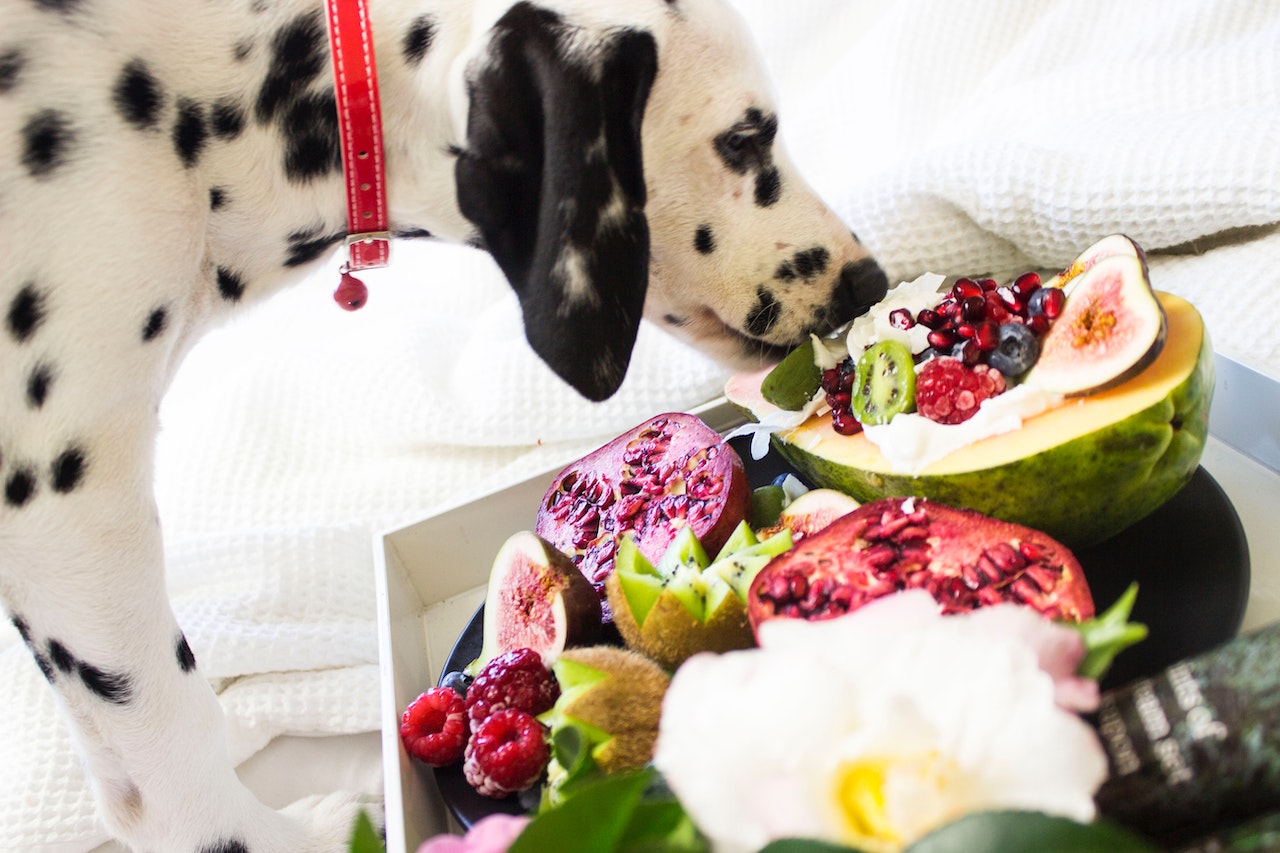
Section 1: Understanding Pet Nutrition
Subheading: The Role of Nutrition in Pet Health
-
Highlighting the significance of nutrition in maintaining good health for pets
-
Exploring how nutrition affects their energy levels, coat quality, immune system, and overall longevity
-
Emphasizing the importance of a balanced diet and essential nutrients for pets
Subheading: Decoding Pet Food Labels
-
Demystifying the information presented on pet food labels
-
Understanding the ingredients list and their significance
-
Identifying common ingredients to avoid and ones to look for in high-quality pet food
Section 1: Understanding Pet Nutrition
Subheading: The Role of Nutrition in Pet Health
-
Highlighting the significance of nutrition in maintaining good health for pets
-
Exploring how nutrition affects their energy levels, coat quality, immune system, and overall longevity
-
Emphasizing the importance of a balanced diet and essential nutrients for pets
Subheading: Decoding Pet Food Labels
-
Demystifying the information presented on pet food labels
-
Understanding the ingredients list and their significance
-
Identifying common ingredients to avoid and ones to look for in high-quality pet food
Section 2: Types of Pet Diets
Subheading: Commercial Pet Foods: What You Need to Know
-
Discussing the pros and cons of commercial pet foods
-
Differentiating between dry, wet, and semi-moist pet food options
-
Understanding the benefits of choosing reputable brands and reading product reviews
Subheading: Homemade Diets: Are They Right for Your Pet?
-
Exploring the concept of homemade diets for pets
-
Discussing the benefits and challenges of preparing homemade meals for pets
-
Providing guidance on consulting with a veterinary nutritionist when opting for homemade diets
Subheading: Raw Food Diets: A Closer Look
-
Examining the rising trend of raw food diets for pets
-
Discussing the potential benefits and risks associated with raw feeding
-
Providing tips on safely implementing a raw food diet, if chosen
Section 2: Types of Pet Diets
Subheading: Commercial Pet Foods: What You Need to Know
-
Discussing the pros and cons of commercial pet foods
-
Differentiating between dry, wet, and semi-moist pet food options
-
Understanding the benefits of choosing reputable brands and reading product reviews
Subheading: Homemade Diets: Are They Right for Your Pet?
-
Exploring the concept of homemade diets for pets
-
Discussing the benefits and challenges of preparing homemade meals for pets
-
Providing guidance on consulting with a veterinary nutritionist when opting for homemade diets
Subheading: Raw Food Diets: A Closer Look
-
Examining the rising trend of raw food diets for pets
-
Discussing the potential benefits and risks associated with raw feeding
-
Providing tips on safely implementing a raw food diet, if chosen


Section 3: Meeting Your Pet's Specific Nutritional Needs
Subheading: Life Stage Nutrition: Tailoring the Diet to Your Pet's Age
-
Discussing the nutritional requirements of puppies/kittens, adult pets, and senior pets
-
Highlighting the importance of age-appropriate food and portion control
-
Addressing common concerns related to growth, weight management, and age-related conditions
Subheading: Special Dietary Considerations: Catering to Unique Needs
-
Exploring common dietary restrictions and sensitivities (e.g., food allergies, intolerances)
-
Discussing the benefits of therapeutic diets for pets with specific health conditions (e.g., urinary health, joint support)
-
Offering guidance on transitioning to specialized diets and seeking veterinary advice when needed
Section 3: Meeting Your Pet's Specific Nutritional Needs
Subheading: Life Stage Nutrition: Tailoring the Diet to Your Pet's Age
-
Discussing the nutritional requirements of puppies/kittens, adult pets, and senior pets
-
Highlighting the importance of age-appropriate food and portion control
-
Addressing common concerns related to growth, weight management, and age-related conditions
Subheading: Special Dietary Considerations: Catering to Unique Needs
-
Exploring common dietary restrictions and sensitivities (e.g., food allergies, intolerances)
-
Discussing the benefits of therapeutic diets for pets with specific health conditions (e.g., urinary health, joint support)
-
Offering guidance on transitioning to specialized diets and seeking veterinary advice when needed
Section 4: Feeding Guidelines and Tips
Subheading: Portion Control: Finding the Right Balance
-
Discussing the importance of portion control to prevent obesity and related health issues
-
Providing general guidelines on determining the appropriate portion size for pets
-
Discussing factors that may influence portion adjustments (e.g., activity level, metabolism)
Subheading: Meal Frequency and Feeding Routines
-
Exploring different meal frequency options for pets (e.g., free-feeding vs. scheduled meals)
-
Highlighting the benefits of establishing a consistent feeding routine
-
Offering practical tips for creating a positive feeding environment
Section 4: Feeding Guidelines and Tips
Subheading: Portion Control: Finding the Right Balance
-
Discussing the importance of portion control to prevent obesity and related health issues
-
Providing general guidelines on determining the appropriate portion size for pets
-
Discussing factors that may influence portion adjustments (e.g., activity level, metabolism)
Subheading: Meal Frequency and Feeding Routines
-
Exploring different meal frequency options for pets (e.g., free-feeding vs. scheduled meals)
-
Highlighting the benefits of establishing a consistent feeding routine
-
Offering practical tips for creating a positive feeding environment


Section 5: Treats and Snacks: Finding the Balance
Subheading: The Role of Treats in Pet Nutrition
-
Discussing the purpose and appropriate use of treats in a pet's diet
-
Highlighting the potential risks of excessive treat consumption
-
Providing recommendations for healthy and balanced treat options
Subheading: DIY Pet Treats: Fun and Nutritious Options
-
Encouraging pet owners to make homemade treats using pet-friendly ingredients
-
Offering simple and nutritious recipes for homemade pet treats
-
Emphasizing the importance of moderation and portion control even with homemade treats
Section 5: Treats and Snacks: Finding the Balance
Subheading: The Role of Treats in Pet Nutrition
-
Discussing the purpose and appropriate use of treats in a pet's diet
-
Highlighting the potential risks of excessive treat consumption
-
Providing recommendations for healthy and balanced treat options
Subheading: DIY Pet Treats: Fun and Nutritious Options
-
Encouraging pet owners to make homemade treats using pet-friendly ingredients
-
Offering simple and nutritious recipes for homemade pet treats
-
Emphasizing the importance of moderation and portion control even with homemade treats
Section 6: Troubleshooting Common Feeding Issues
Subheading: Picky Eaters: Strategies to Encourage Healthy Eating Habits
-
Providing tips for dealing with picky eaters and enhancing their mealtime experience
-
Suggesting food rotation and introducing variety to prevent boredom
-
Discussing the importance of patience and consistency in establishing healthy eating habits
Subheading: Transitioning to a New Diet: Smooth and Successful Transitions
-
Guiding pet owners on the proper way to switch their pet's diet gradually
-
Discussing the common challenges and solutions during the transition period
-
Offering suggestions to ease digestive issues and ensure a successful switch
Section 7: The Role of Water in Pet Nutrition
Subheading: Hydration Matters: The Importance of Water for Pets
-
Highlighting the significance of proper hydration for pets' overall health
-
Discussing the daily water requirements and factors that may increase water intake
-
Providing tips to encourage pets to drink more water
Section 6: Troubleshooting Common Feeding Issues
Subheading: Picky Eaters: Strategies to Encourage Healthy Eating Habits
-
Providing tips for dealing with picky eaters and enhancing their mealtime experience
-
Suggesting food rotation and introducing variety to prevent boredom
-
Discussing the importance of patience and consistency in establishing healthy eating habits
Subheading: Transitioning to a New Diet: Smooth and Successful Transitions
-
Guiding pet owners on the proper way to switch their pet's diet gradually
-
Discussing the common challenges and solutions during the transition period
-
Offering suggestions to ease digestive issues and ensure a successful switch
Section 7: The Role of Water in Pet Nutrition
Subheading: Hydration Matters: The Importance of Water for Pets
-
Highlighting the significance of proper hydration for pets' overall health
-
Discussing the daily water requirements and factors that may increase water intake
-
Providing tips to encourage pets to drink more water

Conclusion:
Feeding your pet a balanced and nutritious diet is an essential part of responsible pet ownership. By understanding the principles of pet nutrition and making informed choices, you can ensure that your furry friend enjoys a healthy and vibrant life. Remember to consult with your veterinarian for personalized dietary recommendations based on your pet's specific needs. With the right nutrition and care, your pet can thrive and bring you endless joy for years to come.
Conclusion:
Feeding your pet a balanced and nutritious diet is an essential part of responsible pet ownership. By understanding the principles of pet nutrition and making informed choices, you can ensure that your furry friend enjoys a healthy and vibrant life. Remember to consult with your veterinarian for personalized dietary recommendations based on your pet's specific needs. With the right nutrition and care, your pet can thrive and bring you endless joy for years to come.