
Boosting Local Economies
Cultural events generate direct and indirect economic benefits. Directly, they bring revenue through:
- Ticket sales and entry fees
- Food, beverage, and merchandise purchases
- Vendor participation and sponsorships
Indirectly, cultural events create opportunities for local businesses such as hotels, restaurants, transportation services, and retail stores. For example, a week-long music festival can fill hotels, increase restaurant bookings, and boost sales at local shops.
Additionally, these events often generate temporary jobs, from event staff and performers to marketing and logistics roles, providing short-term employment opportunities for residents.
Driving Tourism
Cultural events are magnets for tourists seeking unique experiences. Festivals, exhibitions, and performances draw visitors from outside the region, increasing overnight stays and spending.
Key benefits include:
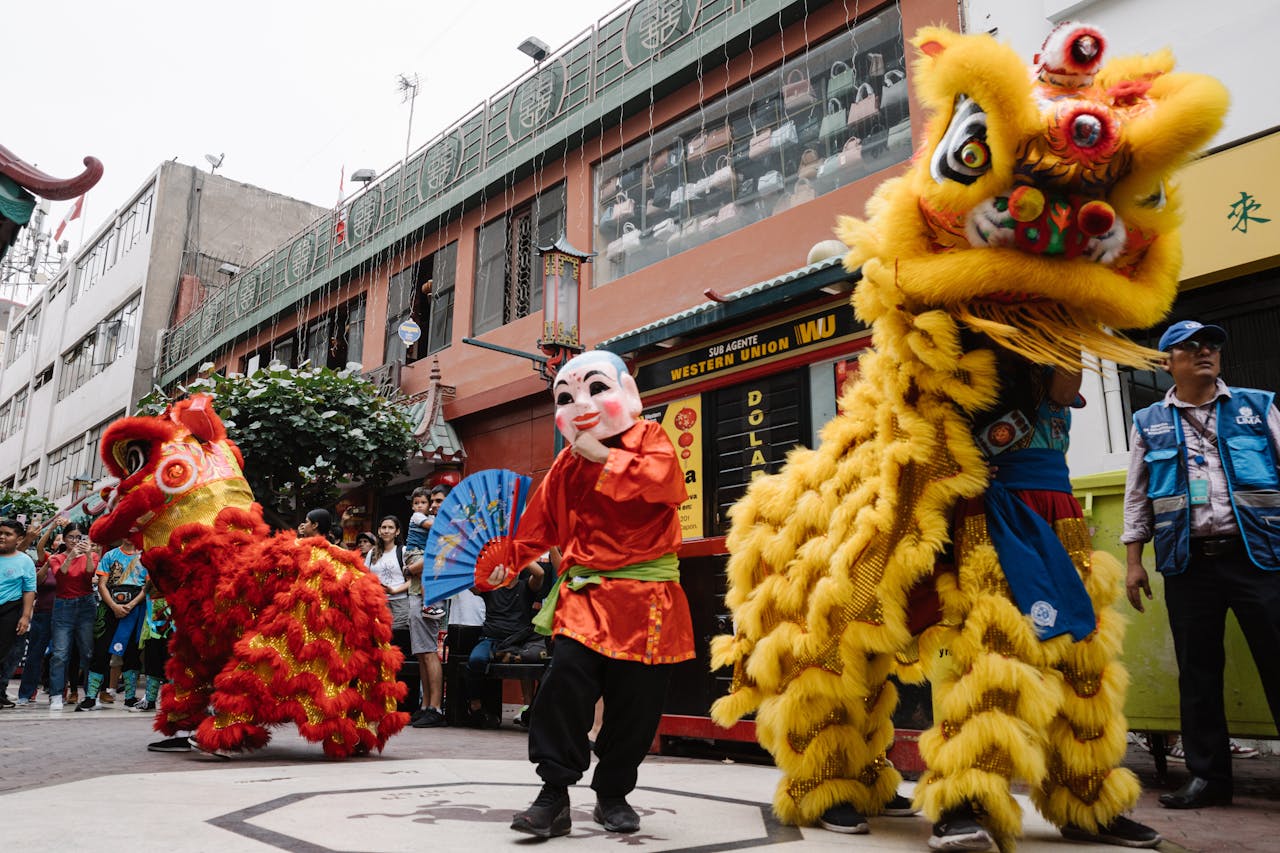
- Promoting regional identity: Events showcase local traditions, art, and history, enhancing the city’s appeal.
- Seasonal tourism boost: Off-peak travel seasons can be revitalized with well-timed cultural programming.
- Repeat visitation: Memorable experiences encourage visitors to return or recommend the destination to others.
Cities like Edinburgh with its Fringe Festival or New Orleans with Mardi Gras have demonstrated how cultural events can transform tourism economies.
Strengthening Community and Investment
Cultural events also enhance social cohesion and civic pride. Residents gain opportunities to engage with art, music, and heritage, which can foster a positive community identity. Strong community involvement often attracts public and private investment in infrastructure, venues, and urban development.
Moreover, cities recognized for vibrant cultural offerings tend to attract creative professionals and entrepreneurs, further fueling economic growth and innovation.
Challenges and Considerations
While the benefits are significant, hosting cultural events requires careful planning:
- Logistics and infrastructure: Ensuring venues, transportation, and accommodations can handle visitor volumes.
- Environmental impact: Large gatherings can strain local resources and generate waste.
- Accessibility and inclusivity: Events must be designed to welcome diverse audiences and avoid excluding residents.
Balancing economic gains with sustainability and community well-being is key to long-term success.
The Future of Cultural Events
In 2025, technology is enhancing the reach and impact of cultural events. Virtual experiences, hybrid festivals, and digital marketing expand audiences globally, while analytics help organizers measure economic and social impact.
By combining creativity, strategic planning, and technology, cultural events can continue to strengthen local economies and tourism while fostering community engagement.
Final Thoughts
Cultural events are more than entertainment — they are economic engines and tourism drivers. They create revenue, promote destinations, and enrich communities culturally and socially.
For cities and regions aiming to grow sustainably, investing in cultural events is not just a celebration of art and heritage — it’s a smart economic strategy.