The Art of Street Photography: Capturing Life as It Happens
Street photography is one of the most honest forms of visual storytelling. It captures real moments in public spaces—unposed, unpredictable, and full of life. Unlike studio photography, where everything is controlled, street photography thrives on chaos, spontaneity, and raw human emotion.
It’s not just about taking pictures of people in the street—it’s about capturing stories that happen in seconds and disappear just as quickly.
Let’s explore what makes street photography such a powerful art form.
What Is Street Photography?
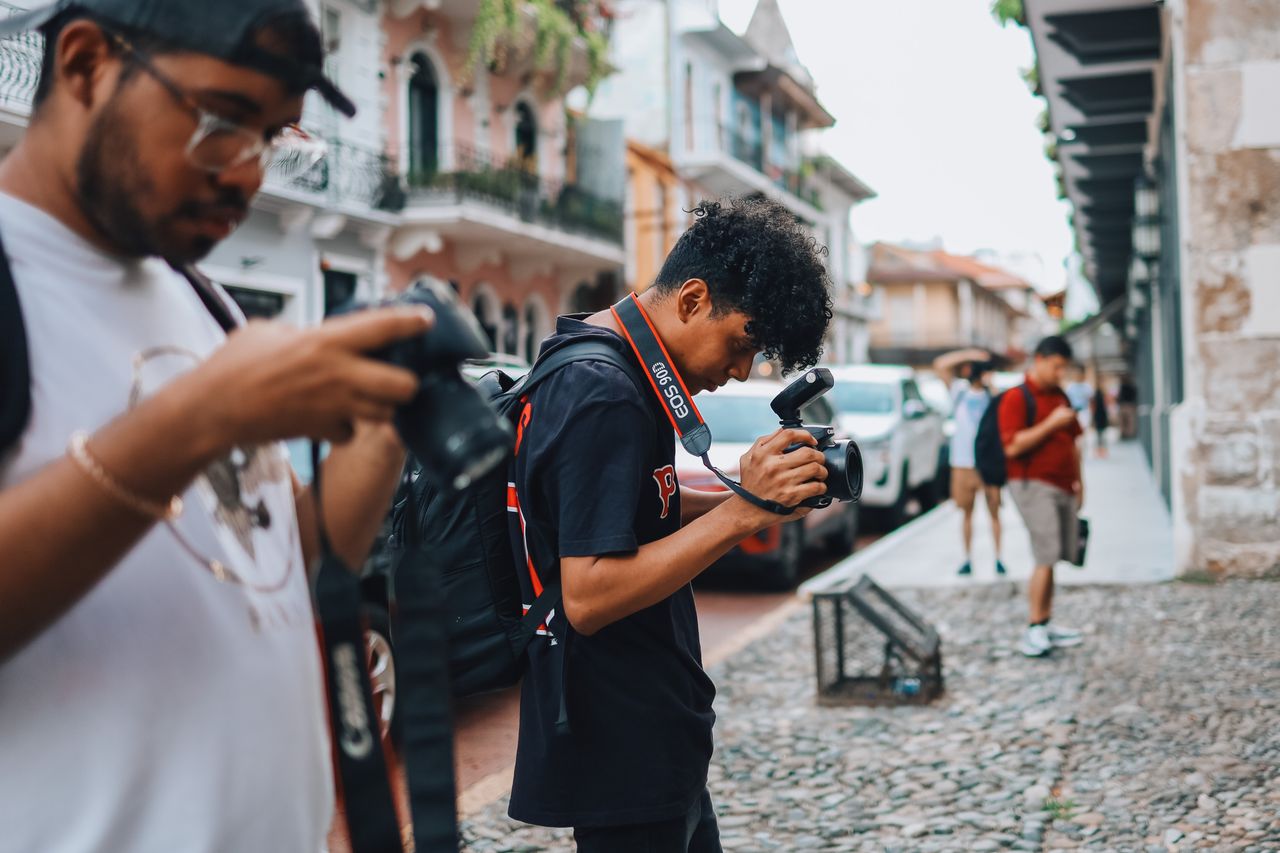
Street photography is a style of photography that focuses on candid moments in public places.
It often includes:
- Everyday people
- Urban environments
- Unexpected interactions
- Emotional or humorous moments
Think of it as visual storytelling in real time—you’re not directing the scene, you’re discovering it.
Why Street Photography Feels So Real
The magic of street photography comes from its authenticity.
There are no models, no scripts, and no retakes. Everything is:
- Unplanned
- Natural
- Emotionally genuine
This makes each photo feel like a frozen moment of real life.
Table: Street Photography vs Studio Photography
|
Feature |
Street Photography |
Studio Photography |
|
Environment |
Public, uncontrolled |
Controlled studio |
|
Subjects |
Random people |
Models or clients |
|
Lighting |
Natural |
Artificial |
|
Style |
Spontaneous |
Planned |
|
Emotion |
Raw and real |
Directed |
The Importance of Timing
In street photography, timing is everything.
A great shot might last only:
- A fraction of a second
- A sudden expression
- A unique interaction
Photographers must stay alert and ready, because the moment won’t wait.
It’s like fishing—you don’t control when the fish bites, but you must be ready when it does.
Composition in Chaotic Environments
Even though street scenes are unpredictable, composition still matters.
Photographers often use:
- Leading lines
- Framing through objects
- Contrast between subjects
- Rule of thirds
- Negative space
These techniques help turn random moments into visually powerful images.
Table: Key Elements of a Strong Street Photo
|
Element |
Why It Matters |
|
Timing |
Captures the decisive moment |
|
Emotion |
Creates connection with viewer |
|
Composition |
Adds structure to chaos |
|
Lighting |
Enhances mood and depth |
|
Story |
Gives meaning to the image |
The “Decisive Moment”
A famous concept in street photography is the “decisive moment.”
This refers to:
- The exact instant when everything aligns perfectly
- Emotion, composition, and action come together
- A moment that cannot be recreated
Great street photographers train themselves to recognize and capture this split second.
Storytelling Through Everyday Life
Street photography doesn’t need dramatic scenes.
Even simple moments can tell powerful stories:
- A child running through a crowd
- A quiet conversation on a bench
- A reflection in a shop window
- A lone figure in a busy city
The beauty lies in finding meaning in the ordinary.
Ethics and Respect in Street Photography
Since street photography involves real people, ethics are important.
Photographers should:
- Respect personal space
- Avoid intrusive behavior
- Be mindful of cultural sensitivities
- Understand local laws regarding public photography
Good street photography captures life without exploiting it.
The Role of Observation
Street photography is less about equipment and more about awareness.
Successful photographers:
- Observe patterns in human behavior
- Anticipate moments before they happen
- Stay patient and attentive
- Blend into their surroundings
It’s almost like learning to see the world in slow motion.
Gear Doesn’t Define the Photographer
While cameras matter, street photography is not about expensive equipment.
Many photographers prefer:
- Small mirrorless cameras
- Compact lenses
- Even smartphones
Why? Because less attention means more natural moments.
The best camera is often the one that doesn’t interrupt the scene.
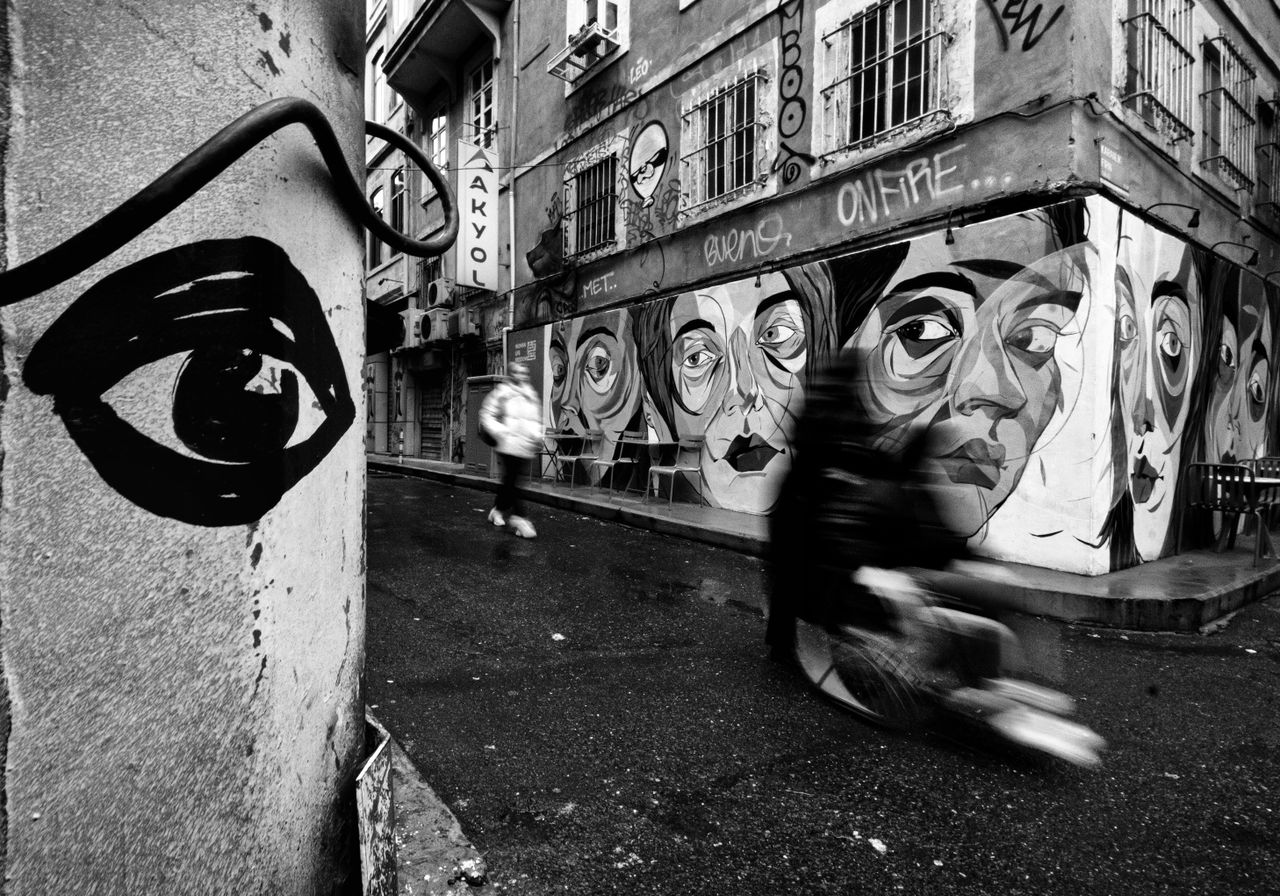
Finding Beauty in Imperfection
Street photography embraces imperfection:
- Blurry motion
- Unexpected lighting
- Cropped edges
- Unusual angles
These “flaws” often add character and authenticity to the image.
The Influence of Digital Photography
Digital technology has transformed street photography.
Now photographers can:
- Take unlimited shots
- Edit instantly
- Share globally on social media
- Experiment more freely
This has made street photography more accessible than ever before.
The Future of Street Photography
Street photography continues to evolve with technology and culture.
Future trends may include:
- AI-assisted composition tools
- Smartphone dominance in urban photography
- Real-time editing and sharing
- Drone-based street perspectives
- Ethical debates about privacy in public spaces
Despite changes, the core idea remains the same: capturing real life as it unfolds.
Conclusion
The art of street photography lies in its simplicity and honesty. It captures fleeting moments that reveal the beauty, chaos, and emotion of everyday life. Without staging or control, it shows the world as it truly is—unfiltered and alive.
Whether taken with a professional camera or a smartphone, a great street photograph is not about perfection. It’s about timing, observation, and the ability to see extraordinary moments in ordinary places.
FAQ: The Art of Street Photography
Practice observation, stay patient, and take lots of candid shots.