The Importance of Family Traditions
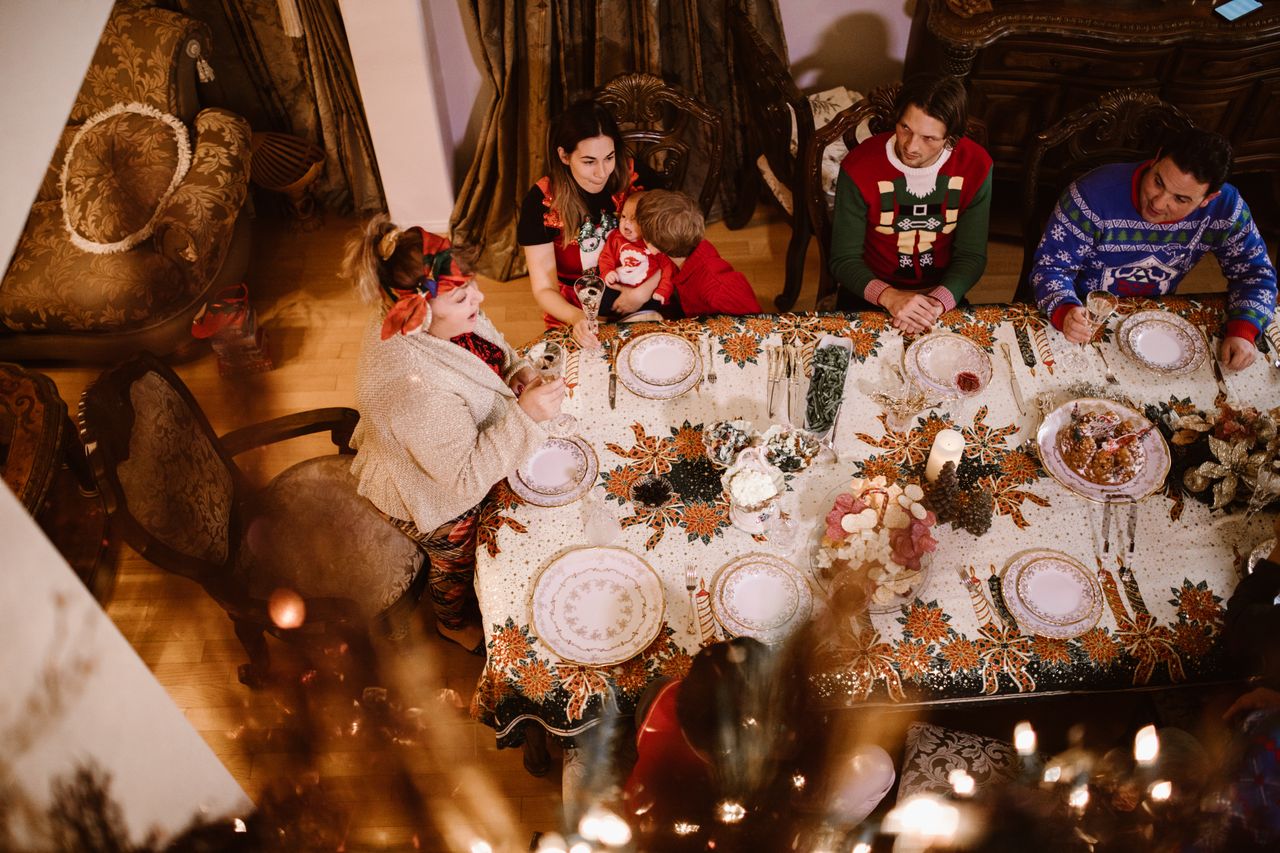
Family traditions are the shared habits, celebrations, and experiences that connect generations and create a sense of belonging. They can be as simple as having a weekly family meal, celebrating holidays in a special way, or creating unique rituals that are meaningful only to one family.
In a constantly changing world, traditions provide stability, strengthen relationships, and help families preserve their values and memories. They create moments of connection that can last for years and become part of a family’s identity.
What Are Family Traditions?
Family traditions are repeated activities or customs that family members practice together over time.
They can include:
- Holiday celebrations
- Birthday rituals
- Family recipes
- Annual trips
- Weekend activities
- Special greetings or routines
- Storytelling traditions
Traditions do not need to be complicated or expensive. What makes them valuable is the emotional connection and shared meaning behind them.
Why Family Traditions Matter
Traditions play an important role in creating strong family relationships.
They help families:
- Build emotional connections
- Create lasting memories
- Pass on cultural values
- Strengthen identity
- Provide comfort during change
- Encourage communication
Small repeated moments can become some of the most meaningful experiences in a person’s life.
Table: Benefits of Family Traditions
|
Benefit |
How It Helps Families |
|
Creates Connection |
Brings family members closer through shared experiences |
|
Builds Identity |
Helps children understand their family history and values |
|
Provides Stability |
Creates familiar moments during uncertain times |
|
Preserves Culture |
Passes traditions and beliefs between generations |
|
Creates Memories |
Gives families experiences to remember and share |
Family Traditions Strengthen Relationships
One of the biggest benefits of traditions is that they create regular opportunities for families to spend meaningful time together.
In busy modern lifestyles, family members may have different schedules and responsibilities. Traditions provide moments to reconnect and focus on each other.
Examples include:
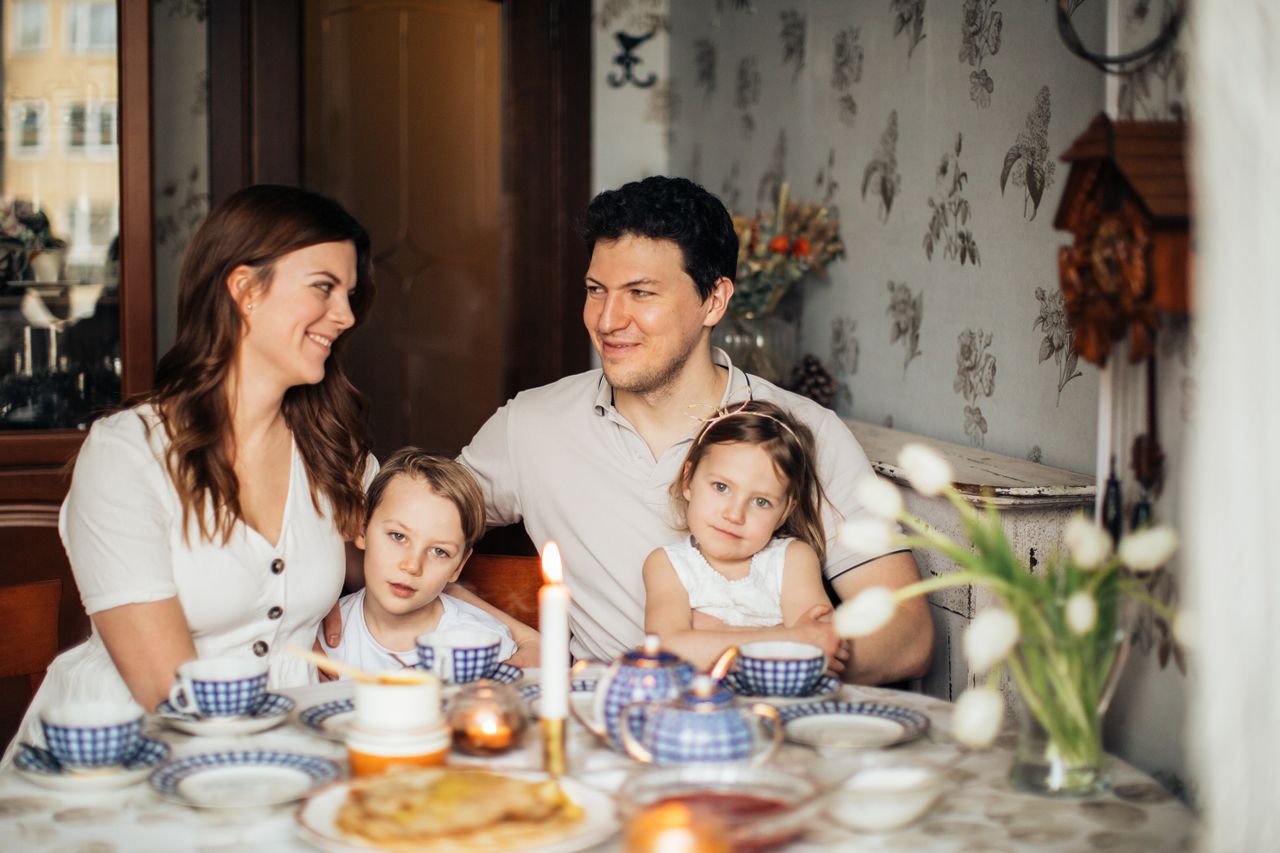
- Weekly family dinners
- Game nights
- Morning routines
- Monthly outings
These simple activities help build stronger emotional bonds.
Traditions Create a Sense of Belonging
People naturally want to feel connected to something larger than themselves.
Family traditions help children and adults feel that they are part of a shared story. They create a feeling of:
- Security
- Acceptance
- Connection
- Identity
Knowing that certain moments are special to your family can create a strong sense of belonging.
Family Traditions Preserve Values and Culture
Traditions are a powerful way to pass important lessons from one generation to another.
Through family customs, children can learn about:
- Respect
- Kindness
- Responsibility
- Heritage
- Family history
For example, preparing a traditional meal together can teach younger family members about cultural roots while creating a meaningful shared experience.
Traditions Create Positive Childhood Memories
Many adults remember family traditions from childhood as some of their most meaningful memories.
These memories may come from:
- Holiday celebrations
- Family vacations
- Special meals
- Annual activities
- Bedtime routines
These experiences often remain important throughout life because they are connected to emotions and relationships.
Traditions Provide Comfort During Difficult Times
Life includes periods of change, uncertainty, and challenges. Family traditions can provide a sense of familiarity during these moments.
Repeating meaningful activities can create:
- Emotional comfort
- A feeling of stability
- Connection with loved ones
Even small traditions can remind people that they have support and shared experiences.
Traditions Encourage Family Communication
Many traditions create natural opportunities for conversation.
Activities such as:
- Eating together
- Sharing stories
- Celebrating milestones
- Working on projects together
allow family members to discuss their thoughts, experiences, and feelings.
Regular communication helps build trust and understanding.
Creating New Family Traditions
Traditions do not have to come from previous generations. Families can create new customs that reflect their current lifestyle and values.
Ideas for new traditions include:
- A yearly family adventure
- A monthly creative activity
- A gratitude practice
- A special birthday ritual
- A family volunteer project
The most important part is consistency and shared meaning.
Family Traditions in the Digital Age
Technology has changed how families connect, but it can also support traditions.
Modern family traditions may include:
- Virtual celebrations with distant relatives
- Digital photo albums
- Family video calls
- Online game nights
- Shared playlists
Technology can help families stay connected across different locations while maintaining a sense of togetherness.
How to Make Family Traditions Meaningful
To create traditions that last:
- Focus on connection rather than perfection
- Involve all family members
- Keep traditions simple and realistic
- Adapt them as families change
- Create moments everyone can enjoy
The best traditions are those that bring people closer together.
The Future of Family Traditions
As lifestyles continue changing, family traditions will continue evolving.
Future traditions may combine:
- Digital experiences
- Global cultural influences
- Flexible family routines
- New forms of connection
While the way families celebrate may change, the need for connection and shared experiences will remain the same.
Conclusion
Family traditions are powerful tools for creating connection, preserving memories, and strengthening relationships. They give families a sense of identity and provide meaningful moments that can be remembered for generations.
The takeaway: family traditions are not about expensive celebrations or perfect routines—they are about creating shared experiences that remind people they belong, are valued, and are connected.
Frequently Asked Questions
Choosing simple, realistic activities and prioritizing regular connection can help traditions continue over time.