The Importance of Pollinators: Protecting Bees and Other Key Species
Pollinators are the unsung heroes of our ecosystems. From bees and butterflies to birds and bats, these creatures play a critical role in producing the food we eat and maintaining healthy environments. Without pollinators, our landscapes, agriculture, and biodiversity would suffer dramatically. Understanding their importance and protecting them is essential for a sustainable future.
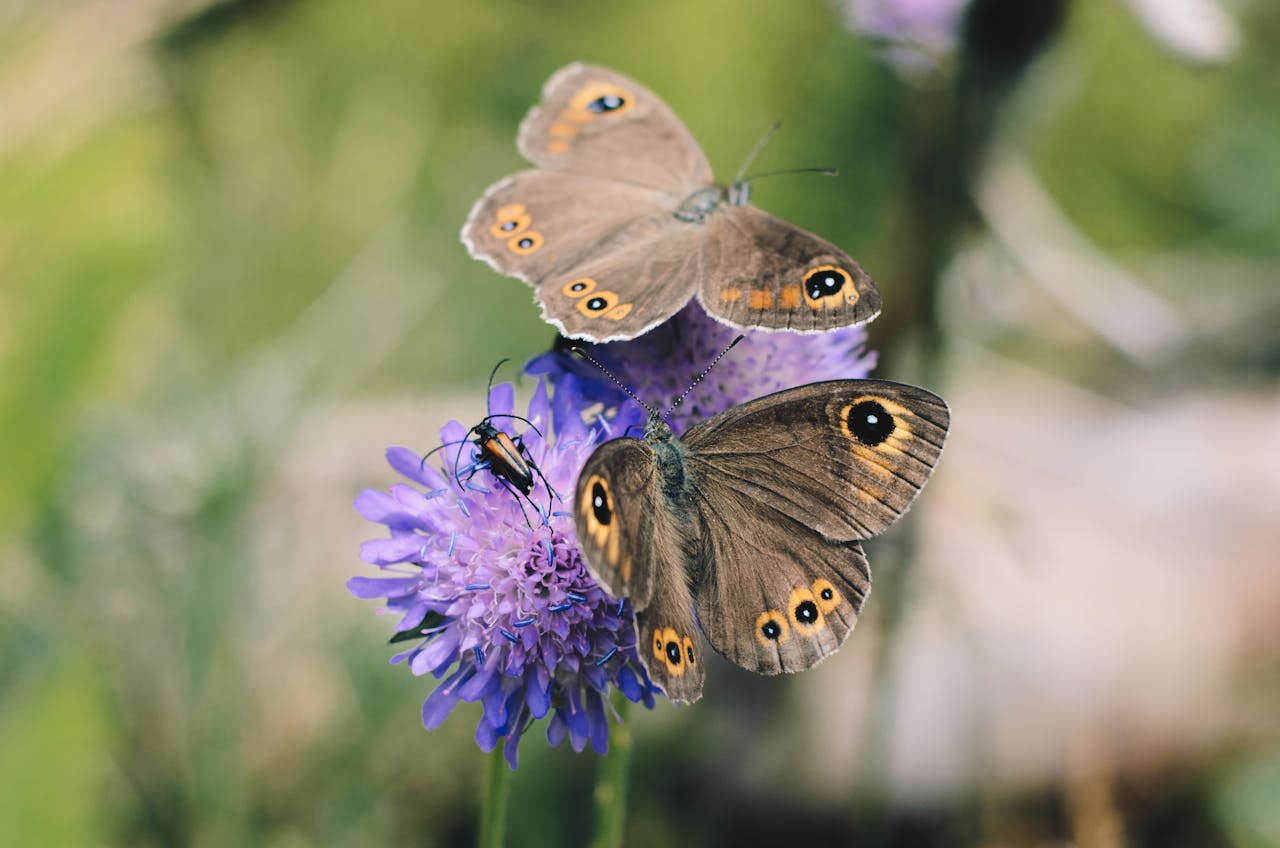
Why Pollinators Matter
Pollinators help plants reproduce by transferring pollen from one flower to another. This simple act supports:
- Food production: Many fruits, vegetables, and nuts depend on pollination.
- Biodiversity: Pollinators maintain the variety of plant life that supports wildlife.
- Ecosystem health: Pollinated plants provide habitats and food for countless species.
In short, pollinators are critical links in the chain that keeps our environment and food systems thriving.
The Most Important Pollinators
While bees get the most attention, many species contribute to pollination:
- Bees: Honeybees and wild bees are the most efficient pollinators.
- Butterflies and moths: Help pollinate flowers with bright colors and strong scents.
- Birds: Hummingbirds and other nectar-feeding birds assist in pollinating plants.
- Bats: Particularly important in tropical regions for pollinating fruits and flowers.
- Other insects: Beetles, flies, and wasps also play essential roles.
Each species has unique habits that help pollinate different types of plants.
Threats Facing Pollinators
Pollinators are under pressure from several human-driven and environmental factors:
- Pesticides: Harmful chemicals kill pollinators or weaken their immunity.
- Habitat loss: Urbanization and agriculture reduce wildflower and nesting areas.
- Climate change: Alters flowering times and disrupts migration and breeding patterns.
- Disease and parasites: Pathogens spread more easily in weakened pollinator populations.
If these threats continue unchecked, we risk severe consequences for both ecosystems and human food security
How to Protect Pollinators
There are many ways individuals and communities can help pollinators thrive:
- Plant pollinator-friendly gardens: Include native flowers and avoid pesticides.
- Provide nesting spaces: Bee hotels, hedgerows, and undisturbed soil help wild pollinators.
- Support organic and sustainable agriculture: Reduces chemical exposure.
- Raise awareness: Educate neighbors and communities about the importance of pollinators.
- Advocate for policies: Protect natural habitats and restrict harmful pesticides.
Small actions at home and in local communities add up to big changes.
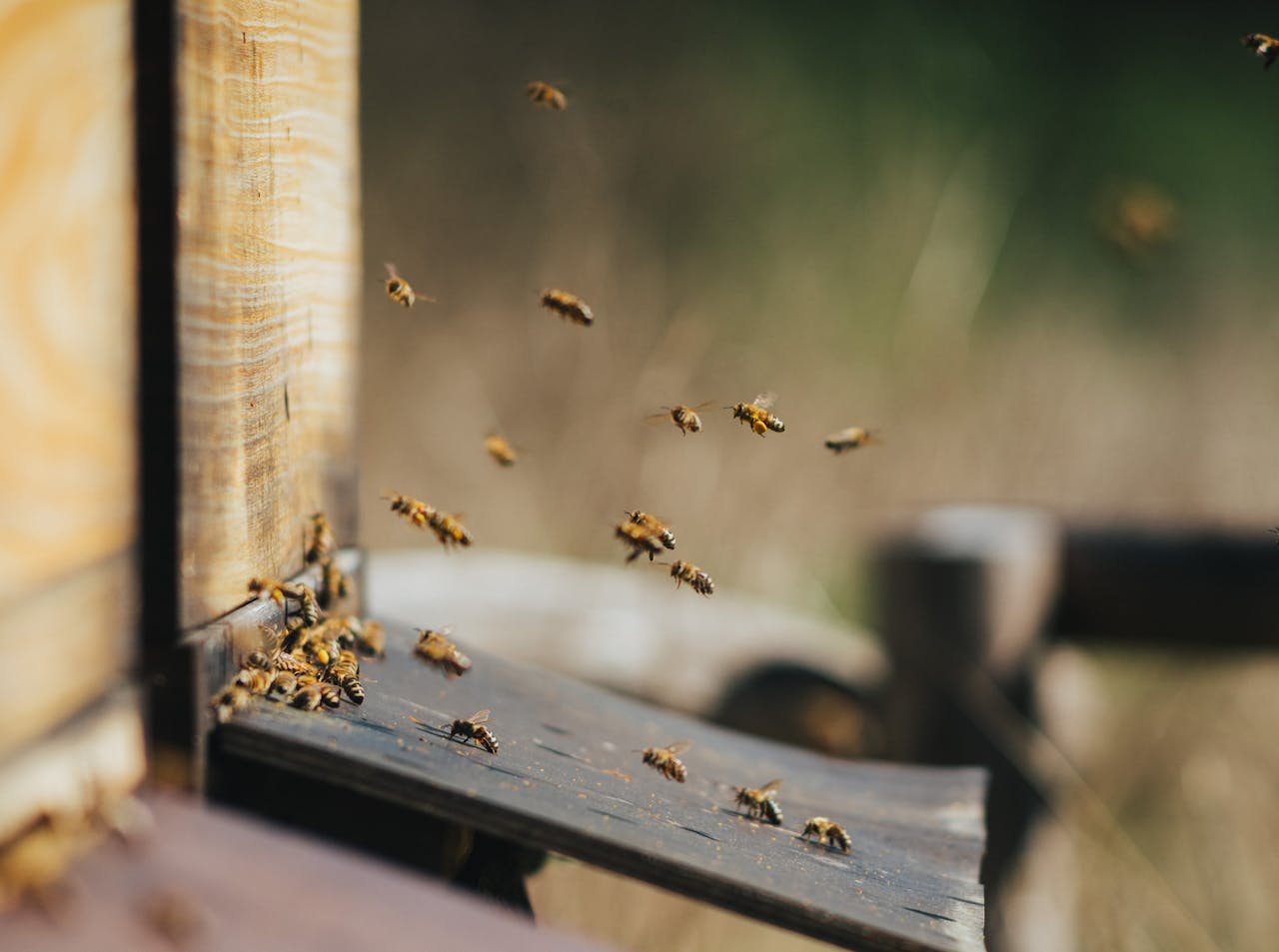
Pollinators and Their Key Contributions
|
Pollinator
|
Primary Contribution
|
Examples of Plants Benefited
|
|
Bees
|
Most efficient crop pollinators
|
Apples, almonds, blueberries
|
|
Butterflies & Moths
|
Flower pollination
|
Milkweed, lavender, cosmos
|
|
Birds
|
Nectar pollination
|
Hibiscus, trumpet vine, orchids
|
|
Bats
|
Night pollination |
Mango, banana, agave
|
|
Other insects
|
Supplementary pollination |
Wildflowers, leafy greens
|
Why This Matters for Humans
Pollinators aren’t just “nice to have”—they directly impact our daily lives. Around one-third of the food we consume depends on pollinators. A decline in these species could lead to:
- Reduced crop yields and higher food prices
- Loss of plant diversity
- Weakened ecosystems and wildlife decline
Protecting pollinators is an investment in food security, environmental health, and future generations.
Conclusion
Pollinators are essential for life on Earth, quietly supporting our food, biodiversity, and ecosystems. Protecting bees, butterflies, birds, bats, and other pollinators is a responsibility we all share. By creating pollinator-friendly spaces, advocating for sustainable practices, and reducing chemical use, we can help ensure that these vital species continue to thrive